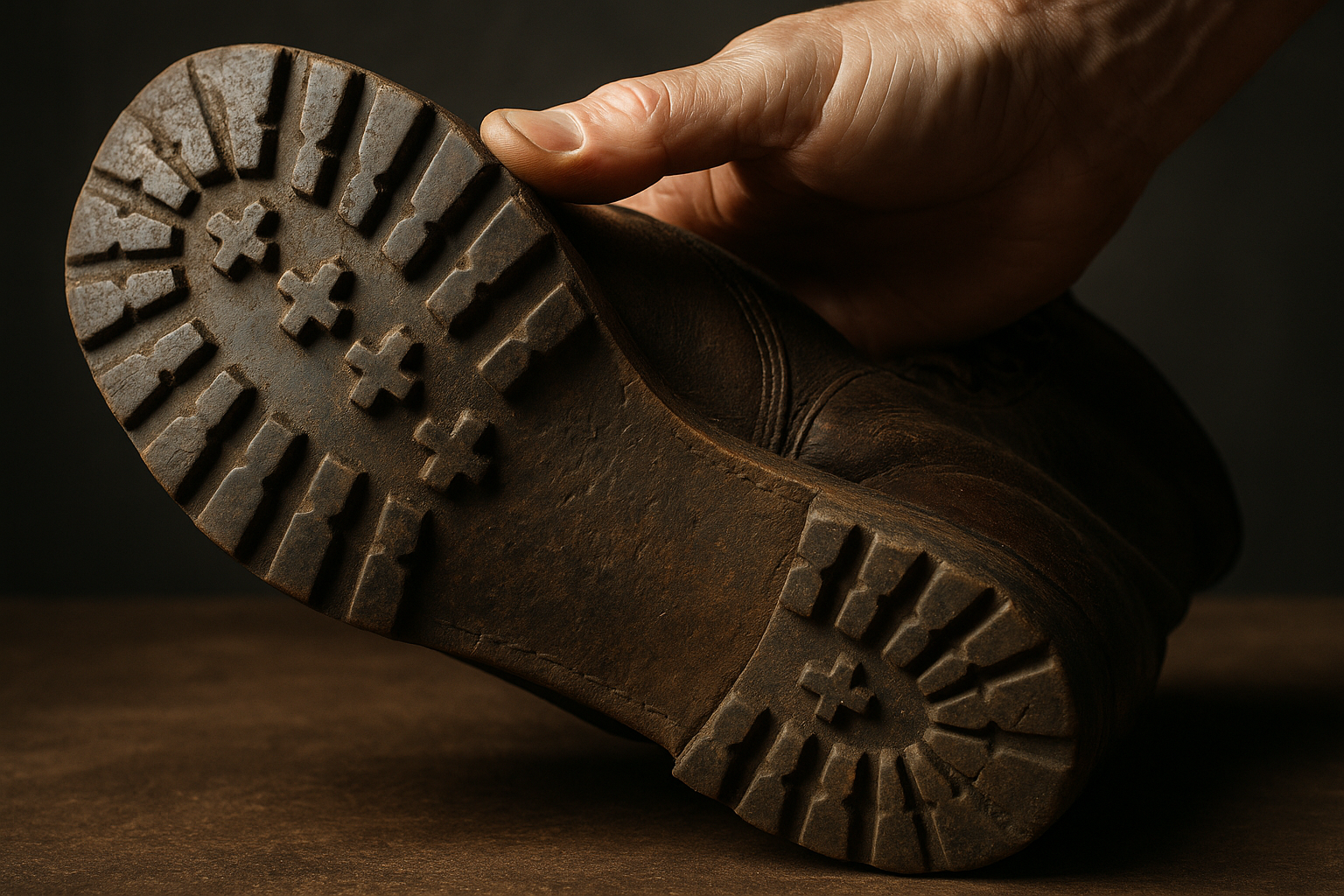
How to Grade Vintage Shoe Sole Condition: Cushioning, Tread Wear, and Structural Integrity
Grade a vintage shoe sole on three independent checks: midsole cushioning compression, outsole tread depth, and sole-to-upper separation. A shoe can have a spotless leather upper and still cap at Fair or Poor if the midsole has collapsed, the tread is bald, or the sole is lifting at the toe — because none of those defects are cosmetic. They're Structural Integrity and Functional Elements failures, and they determine whether the shoe is actually wearable, not just whether it photographs well.
We've watched more vintage sneaker and boot listings get returned over dead cushioning than over any visible scuff. Buyers can see a scratch in the photos. They can't feel a collapsed midsole until the shoe is on their foot and the support is gone. That mismatch — looks fine, feels wrong — is exactly the kind of not-as-described dispute standardized grading exists to prevent.
Why Vintage Soles Fail Before the Upper Does
Leather and canvas uppers age slowly and visibly. Midsoles age fast and invisibly. Most vintage sneaker midsoles are EVA (ethylene-vinyl acetate) foam or polyurethane (PU). Both degrade chemically over time, regardless of wear:
- EVA foam loses its cell structure and compresses permanently — it goes flat and stays flat, even after the shoe has sat unworn for years.
- PU midsoles undergo hydrolysis: the polymer reacts with ambient moisture and crumbles from the inside out. This is why 15-20 year old running shoes and basketball shoes sometimes disintegrate on the first wear even though they look barely used. It's a well-documented failure mode, not a manufacturing defect you caused.
- Rubber outsoles harden and can develop surface cracking (dry rot) independent of tread wear from walking.
This matters for grading because a shoe with 20% actual wear-mileage can still have 100% degraded midsole cushioning purely from age. You're not grading how much the previous owner walked in them. You're grading what's true right now.
The Sole Inspection Procedure
Run this sequence on every vintage or pre-owned shoe before you assign a grade:
- Press a thumb firmly into the midsole at the heel and forefoot. Compare rebound speed and firmness to the same shoe model new, if you have a reference point, or to a known-good comparable pair. Slow rebound or a permanent thumbprint indent signals foam compression.
- Flex the shoe by hand, sole facing you, bending it as a foot would mid-stride. Watch the point where the outsole meets the upper for any lifting, gapping, or visible daylight between layers.
- Check the tread pattern under strong, raking light. Measure remaining lug depth against the unworn tread pattern near the edges of the outsole, which wears last.
- Inspect the outsole rubber for surface cracking or a dry, chalky texture — signs of rubber hardening independent of tread wear.
- Remove the insole or footbed if removable, and check for compression, cracking, or delamination underneath. This is the part buyers never see in photos and the part that fails first.
- Twist the shoe gently along its long axis to test midsole and shank rigidity. Excessive give or a hinge-like collapse in the arch area indicates structural breakdown.
- Document everything with a raking-light photo of the tread, a flex-point close-up of the sole edge, and a shot of the removed footbed if applicable.
Every one of these checks maps to Structural Integrity or Functional Elements on the five-factor standard. None of them are Cosmetic Appearance calls — a scuffed toe cap and a collapsed midsole are not the same defect category, and grading them the same way is how sellers end up disputing returns they should have seen coming.
Grading Cushioning Loss
Cushioning loss is a Structural Integrity defect, not a wear-and-tear cosmetic note, because it changes whether the shoe performs its basic function: supporting a foot. Use the thumb-press and flex test from the inspection procedure, then grade against these thresholds:
- Excellent: midsole rebounds within a second or two of pressure, no visible compression lines, flex feels consistent with a lightly-worn comparable shoe.
- Very Good: slight softening at the heel strike zone, rebound is present but slower than new. Fully wearable for casual use.
- Good: noticeable flattening at heel and/or forefoot, minimal rebound, visible compression creasing in the foam. Still functional but cushioning is materially reduced.
- Fair: midsole is compressed flat, no meaningful rebound, or shows early hydrolysis crumbling at the edges. Wearable short-term only.
- Poor: midsole crumbles, flakes, or has separated internally. Not safely wearable — disclose as display or parts-only.
If you're grading a shoe that's been stored, unworn, for 15+ years, don't assume NWT or NWOT status protects the midsole. Check it anyway. A deadstock pair with original tags can still have hydrolyzed PU foam. That's a Structural Integrity issue that exists independent of how many times the shoe touched pavement.
Sole Tread Wear Grading Standards
Tread wear is easier to quantify than cushioning because you can measure remaining lug depth directly. Compare the worn tread against the unworn tread pattern preserved at the outsole's outer edge or in the tightest grooves, which wear last.
| Grade | Tread condition | Wearability impact |
|---|---|---|
| Excellent | Full lug depth, sharp edges on tread pattern, no rounding | None — full traction and lifespan remaining |
| Very Good | Slight rounding of lug edges, tread pattern still fully legible | Minimal — cosmetic more than functional at this stage |
| Good | Visible flattening in high-contact zones (heel strike, ball of foot), pattern partially worn away | Reduced traction on wet or smooth surfaces |
| Fair | Tread pattern worn smooth in primary contact areas, some bald patches | Noticeably reduced traction, shortened remaining lifespan |
| Poor | Outsole worn through to midsole or backing layer in spots | Not safely wearable; grip and structural protection compromised |
One thing sellers consistently underweight: tread wear should be graded against the shoe's intended use. A worn tread on a running shoe that was actually run in is a normal, disclosable defect. The same wear pattern on a dress shoe or a fashion sneaker that saw only sidewalk use reads as heavier use than the rest of the shoe's cosmetic condition suggests — and that mismatch is worth flagging explicitly in your condition report so buyers aren't surprised.
Sole Separation: The Deal-Breaker Defect
Sole separation — where the outsole or midsole begins lifting away from the upper — is the single defect most likely to trigger a return, and it's also the most under-disclosed. It shows up first at the toe and heel, the two flex points that see the most stress with every step.
Check for it during the flex test in step 2 of the inspection procedure. Any visible gap, even a few millimeters at the toe, means the adhesive bond has failed, usually from age-related adhesive breakdown rather than abuse. This is common on vintage shoes that used cement construction rather than stitched or welted soles.
Grade sole separation this way:
- No separation, full flex integrity: Excellent or Very Good, depending on other factors.
- Minor lifting under 5mm at one point, no gap elsewhere: Good — disclose the exact location and measurement, and note that re-gluing is a straightforward, low-cost fix.
- Separation exceeding 5mm, multiple points, or spreading with flex: Fair — the shoe needs repair before it's reliably wearable.
- Sole detached or hanging: Poor. List as a repair project or for parts, and say so plainly.
Never grade a separating sole as Cosmetic Appearance. It belongs under Structural Integrity, and minor separation almost always belongs under Functional Elements too, since it affects how the shoe performs, not just how it looks.
Footbed Condition and Wearability
The footbed (insole) is the defect buyers discover after the sale, because it's rarely photographed and almost never inspected before checkout. Pull it if it's removable and check for:
- Compression flattening in the heel and forefoot zones — same aging mechanism as midsole foam.
- Cracking or flaking of the top fabric or foam layer.
- Odor absorption — footbeds hold sweat odor longer than any other component of the shoe, and this falls under Odor & Cleanliness, evaluated separately from physical wear.
- Delamination between the footbed layers, which creates a loose, shifting feel underfoot even when the rest of the shoe grades well.
A shoe with an Excellent upper and tread but a collapsed, odor-saturated footbed should not grade Excellent overall. The five-factor standard exists precisely so a strong Cosmetic Appearance score can't paper over a weak Structural Integrity or Odor & Cleanliness score underneath it.
Grade the Shoe, Not Just the Upper
Soles are where vintage footwear actually fails, and they're the component sellers photograph least and inspect last. Run the thumb-press, flex, tread-light, and footbed checks before you write a single word of your listing description. A shoe that looks Excellent in flatlay photos can be a Fair or Poor once you account for compressed cushioning, worn tread, and early sole separation — and catching that before a buyer does is the difference between a clean sale and a return dispute.
Upload a photo set of a pair you're about to list — soles included — and see how GradeThread scores cushioning, tread, and separation across all five factors, with a certificate you can drop straight into your listing.